
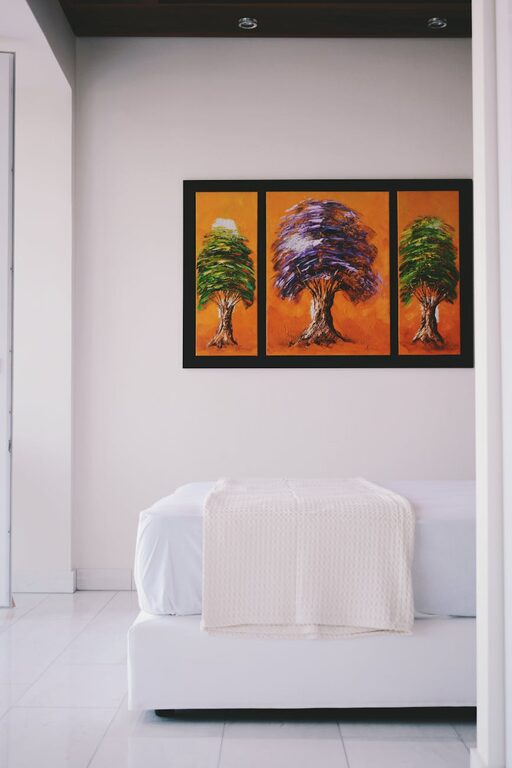
Creating a serene and relaxing atmosphere in your home starts with the colors you choose. Calm colors have the power to soothe the mind, reduce stress, and enhance the overall comfort of your living space. Whether you are repainting a single room or planning a full home makeover, selecting the right calm colors can transform your environment into a tranquil retreat.
In this post, we’ll explore practical tips for choosing calm colors that work well with your style and space.
Why Choose Calm Colors?
Calm colors are typically soft, muted, or pastel shades that evoke feelings of peace and relaxation. Unlike bright or intense hues, they don’t overstimulate the senses and are often associated with nature’s most restful scenes, such as tranquil waters, gentle skies, and peaceful forests.
Using calm colors in your home décor can:
– Reduce anxiety and promote restful moods
– Make rooms feel more spacious and inviting
– Create a timeless and elegant look
Understanding their benefits can help you make thoughtful choices that enhance your home’s atmosphere.
Popular Calm Color Choices
Before diving into tips for selecting your palette, here are some commonly chosen calm colors that are known for their soothing effects:
– Soft Blues: Often connected to water and sky, soft blues encourage relaxation and focus.
– Muted Greens: Reminding us of nature, muted greens promote balance and refreshment.
– Warm Neutrals: Shades like beige, taupe, and soft gray offer warmth without overwhelming the senses.
– Lavender and Soft Purples: Gentle purples can add a subtle touch of calm sophistication.
– Pale Pinks and Corals: These colors bring warmth and comfort with a delicate, inviting feel.
Keep in mind, the lighting and room size can influence how these colors appear.
Tips for Choosing the Right Calm Colors for Your Home
1. Consider the Room’s Purpose
Think about how you intend to use each room:
– Bedroom: Ideal for calm blues, soft greens, or pastel lavenders to promote restful sleep.
– Living Room: Warm neutrals or muted greens can make this social space both inviting and relaxing.
– Bathroom: Light blues or soft grays work well to create a spa-like, tranquil environment.
– Home Office: Soft blues and greens help with focus while maintaining a calming vibe.
Matching color choices with function helps maximize comfort and usability.
2. Test Colors in Different Lighting
Natural and artificial light affects how colors look on your walls:
– Test paint samples at different times of day.
– Observe how sunlight changes the color’s tone.
– Check how your artificial light bulbs (warm or cool) influence the paint.
Sampling helps avoid surprises and ensures the chosen color maintains its calm effect in your space.
3. Use Monochromatic or Analogous Color Schemes
To create a peaceful flow, consider color schemes that are gentle on the eyes:
– Monochromatic: Different shades, tints, and tones of the same color create harmony.
– Analogous: Colors next to each other on the color wheel (e.g., blue and green) offer a coordinated, soothing palette.
Avoid bold contrasts which might disrupt the calm you want to establish.
4. Balance Color with Texture and Accents
Calm colors work beautifully with texture and subtle accents to add interest without overwhelming:
– Use soft textiles like linen curtains, plush rugs, and cushy pillows.
– Introduce natural materials such as wood, stone, or woven baskets to complement colors.
– Add small accent pieces in metallic or muted complementary hues for depth.
Balance keeps the room feeling restful yet engaging.
5. Use White or Off-White as a Grounding Base
White or off-white colors serve as a perfect backdrop to calm tones:
– They brighten rooms without starkness.
– Provide a clean, fresh feeling that enhances other colors.
– Help to visually enlarge the space.
Using white as a grounding color allows calm hues to shine while keeping the overall look light and airy.
6. Consider Your Personal Preferences
While there are “calm” colors generally accepted, your personal comfort matters most:
– Choose colors that you find personally soothing.
– Reflect on colors that make you feel relaxed and happy.
– Remember that color perception can differ per individual—what calms one person may not for another.
Your home should feel like a sanctuary tailored to you.
7. Don’t Be Afraid to Combine Calm Colors
Mixing two or three calm colors within a room can create layers of tranquility:
– Paint walls a calm blue and add sage green furniture or décor.
– Use warm beige alongside soft coral accents for a cozy but peaceful feel.
Combining colors thoughtfully adds dimension while maintaining serenity.
Final Thoughts
Choosing calm colors for your home is a rewarding way to enhance your living environment. By considering the purpose of each room, testing colors in various lightings, and integrating textures and accents, you can create peaceful spaces that enhance your well-being.
Remember that the best color choices are those that resonate with you personally—so take your time, gather samples, and trust your instincts. With these tips, your home can become a true haven of calm and comfort.
—
We hope you find these suggestions helpful as you plan your next home project. Happy decorating!