
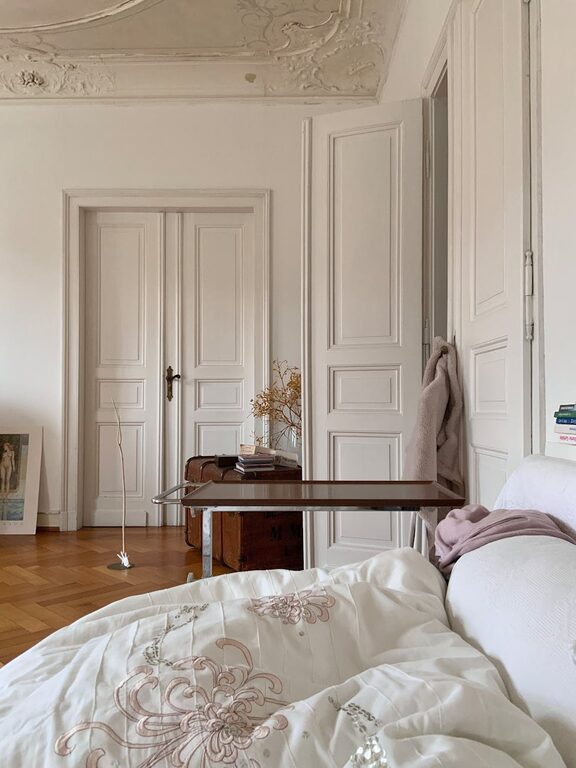
Creating a calm and relaxing environment in your home starts with choosing the right colors. Colors influence mood and energy, so selecting calm colors can help transform your living space into a peaceful retreat. Whether you are painting your walls, selecting furniture, or adding accents, the color palette plays a vital role. This blog post offers practical tips for choosing calm colors that bring serenity and balance to your home.
Why Choose Calm Colors?
Calm colors have a soothing effect on the mind and body. They can reduce stress, promote relaxation, and enhance comfort. Neutral shades, soft pastels, and muted tones are common choices that create a tranquil atmosphere. These colors also tend to be versatile, pairing easily with different furniture and décor styles.
Understanding Color Psychology
Before selecting colors, it’s helpful to know how different hues can affect feelings:
– Blue: Often associated with calmness and stability, blue tones can make a room feel cooler and more serene. Light blues work well in bedrooms and bathrooms.
– Green: Symbolizing nature and balance, green is refreshing and restful for the eyes. It suits living rooms and study spaces.
– Lavender: Soft purples bring a gentle, soothing vibe, ideal for relaxation areas.
– Beige and Taupe: Warm neutrals provide a cozy, inviting backdrop that won’t overwhelm the senses.
– Gray: Muted greys evoke sophistication and calm but may feel cold if overused. Pair with warm accents to avoid sterility.
Tips for Choosing Calm Colors
1. Assess Your Lighting
Natural and artificial light loads affect how colors appear. Test paint samples on your walls during different times of the day. A color might look calming in soft afternoon light but change under bright morning sun or artificial evening light.
2. Start with a Neutral Base
Using neutral colors such as off-white, beige, or soft gray on walls gives you flexibility. These shades set a peaceful foundation and allow you to add more colors with accessories or furniture.
3. Incorporate Nature-Inspired Hues
Nature-inspired colors like soft blues, greens, and earthy browns often evoke tranquility. Adding these hues through accent walls, pillows, rugs, or curtains invites the outdoors in and helps promote calm.
4. Use Soft, Muted Tones Instead of Bold Colors
Calm colors are typically muted rather than vibrant. Choose shades that lean toward pastel or have gray undertones to keep your space feeling relaxed rather than energetic or stimulating.
5. Create Color Harmony
Stick to a limited color palette to avoid visual clutter. Use the 60-30-10 rule: 60% a dominant calm color, 30% a secondary shade, and 10% an accent color to add dimension without overwhelming.
6. Consider Texture and Materials
Different textures and materials can influence how colors feel. Matte finishes and natural fibers like cotton, linen, or wool soften the look further, enhancing the calming effect.
7. Test Samples Before Committing
Buy small paint samples or fabric swatches and live with them in your space for a few days. Observe how the color interacts with your lighting, furnishings, and mood.
Calm Color Combinations to Try
– Soft Blue + Warm Beige + White: A classic combo that feels fresh yet cozy.
– Sage Green + Light Gray + Natural Wood: Invokes a sense of nature and serenity.
– Lavender + Cream + Pale Pink: Gentle, feminine, and relaxing.
– Muted Taupe + Dusty Blue + Soft Yellow: Adds warmth with cool undertones for balance.
Common Mistakes to Avoid
– Ignoring Lighting: Colors can look very different depending on light source and intensity.
– Going Too Dark: Dark colors can feel heavy and reduce a room’s sense of space. Use with care for accents only.
– Overloading with Colors: Too many hues create chaos rather than calm. Keep it simple.
– Choosing Trends Over Comfort: Popular colors might not always create a peaceful vibe. Focus on what feels calming to you personally.
Final Thoughts
Choosing calm colors for your home is about creating a space that supports your well-being and helps you recharge. By understanding color psychology, testing samples, and considering lighting and texture, you can find the perfect soothing palette for any room. Remember, the goal is to make your home feel welcoming and peaceful every day.
Feel free to experiment with different combinations and trust your instincts—you might discover your own unique definition of calm. Happy decorating!